Energy Balance: A Fundamental Principle
Energy balance represents the relationship between energy intake from food and energy expenditure by the body. Understanding this principle is central to metabolic health and nutritional science.
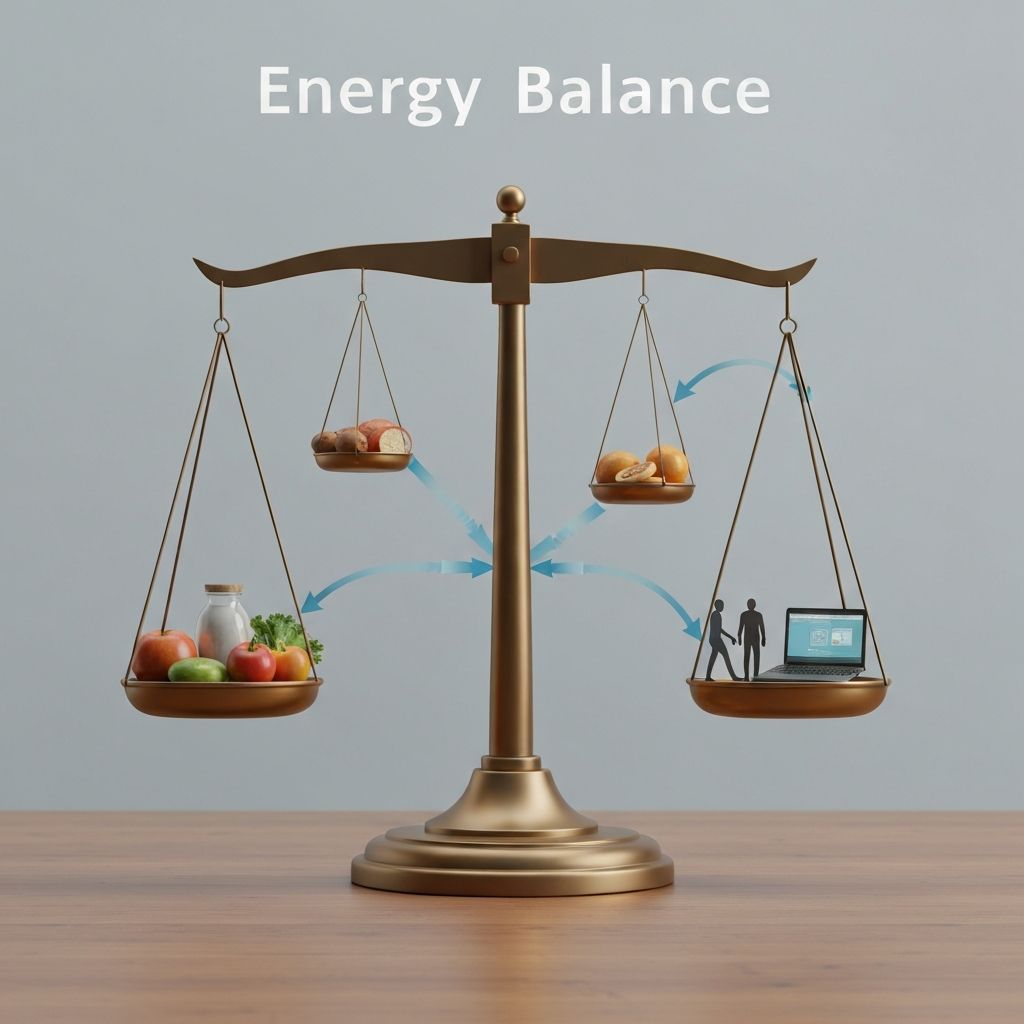
Components of Energy Expenditure
Total daily energy expenditure comprises several components:
- Basal Metabolic Rate (BMR): Energy required for essential bodily functions at rest, including cellular metabolism, circulation, and breathing
- Thermic Effect of Food: Energy expended during digestion, absorption, and processing of nutrients
- Activity Energy Expenditure: Energy expended during physical movement and exercise
- Adaptive Thermogenesis: Metabolic adaptation in response to environmental and physiological factors
Metabolic Rate: Definition and Factors
Metabolic rate describes the speed at which the body processes energy. Individual metabolic rates vary based on multiple factors:
- Age: Metabolic rate typically decreases with age
- Sex: Differences in body composition influence metabolic rate
- Body composition: Muscle tissue is more metabolically active than adipose tissue
- Genetics: Individual variation in metabolic efficiency
- Physical activity: Regular activity influences metabolic function
- Nutritional status: Adequate nutrition supports optimal metabolic function
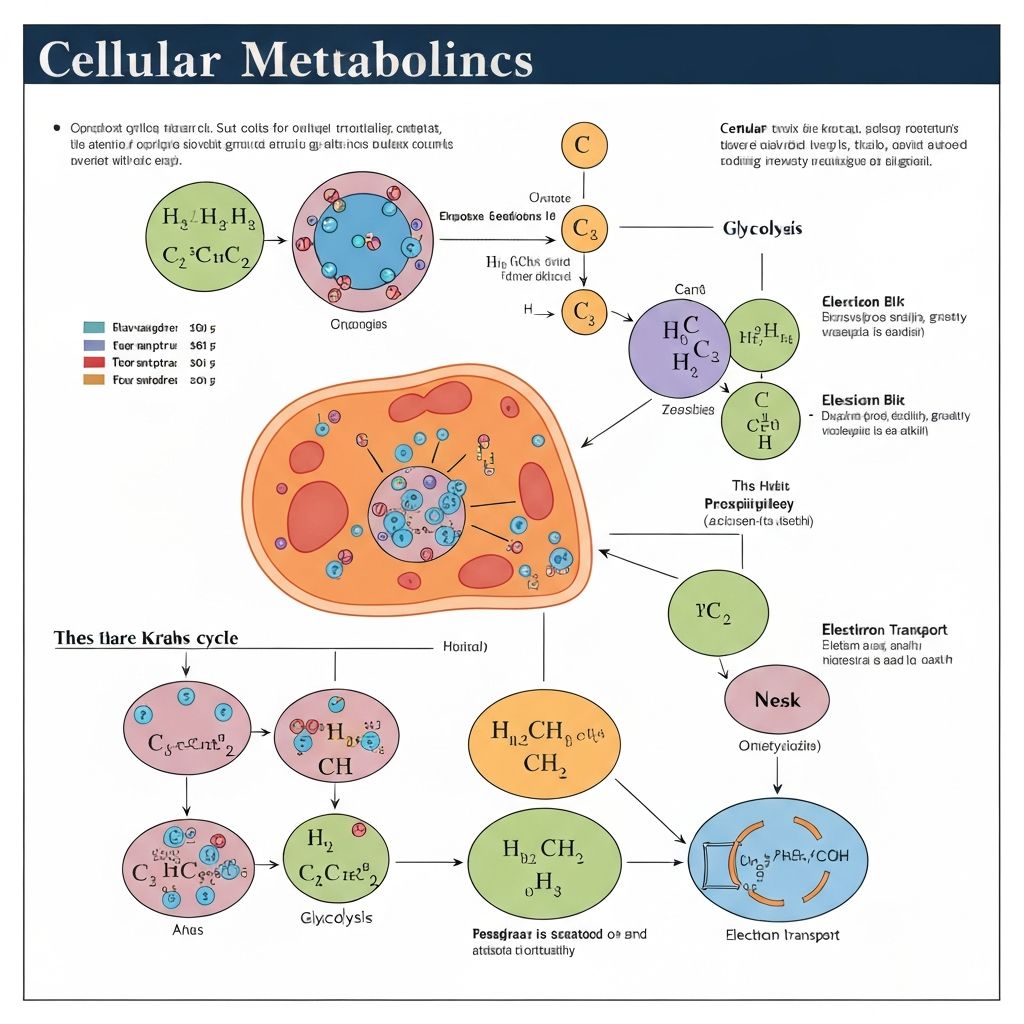
Energy Systems and Nutrient Metabolism
The body utilizes different energy systems depending on the intensity and duration of activity. Carbohydrates, fats, and proteins are metabolized through distinct pathways to produce ATP, the universal energy currency of cells.
Understanding these metabolic pathways illuminates how nutritional intake directly influences energy production and physiological function.
Metabolic Adaptation
The body exhibits remarkable capacity for metabolic adaptation in response to changes in energy intake, physical activity, and environmental conditions. This adaptation represents an important aspect of metabolic regulation that influences overall energy balance.
Practical Implications
Understanding energy balance and metabolic rate supports informed decisions about nutrition and physical activity. Recognizing individual metabolic variation helps explain differences in how people respond to similar nutritional and activity patterns.
Conclusion
Energy balance and metabolic rate represent core concepts in nutritional science. The interplay between energy intake, energy expenditure, and metabolic processes influences health outcomes and overall well-being. Knowledge of these principles supports a comprehensive understanding of body weight management and metabolic health.